Successful Strategies for Clearing a Clogged Toilet
Top ArticleWhat're your thoughts with regards to How to Unclog a Toilet Without a Plunger ?
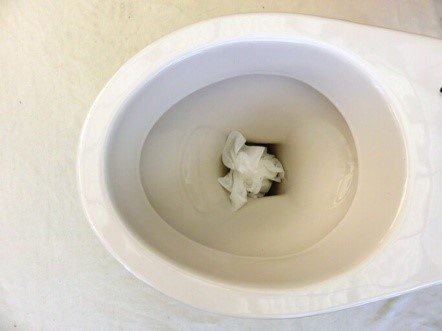
When your bathroom malfunctions as well as congest, it is more than a small aggravation. A plugged commode that backflows with filthy water is likewise disgusting and also unsafe to your health and wellness. Furthermore, it disrupts your household entirely since everybody requires access to the toilet throughout the day. Luckily, you can still try to get rid of the obstruction on your own with these handy suggestions:
Exactly how To Unclog the Bathroom Without a Bettor
The most effective means to manage a blocked commode is to utilize a plunger but there might be situations where you don't have accessibility to one. If If the bathroom is clogged and also you don't have a plunger handy, have no anxiety. There is greater than one means to clean out the toilet and also a few of these methods consist of usual family products that you likely already have. If a clog is particular troublesome, you might need to use a drain snake to unclog it. But these home remedies will assist press via several of the much more minor obstructions you're likely to run into.
Usage vinegar and Baking Soda
Trusty home staples like vinegar as well as baking soft drink will certainly can be found in helpful. Aside from utilizing them for cooking cleaning surfaces as well as serving as deodorizers, these two miracle substances can get rid of blockages well. Best of all, they are non-toxic and also will certainly leave your toilet smelling fresh and also clean. Right here's what you need to do:
You may require to duplicate the process a couple of times till the blockage is totally gone. The chain reaction the results from combining these two will work well in softening clogs.
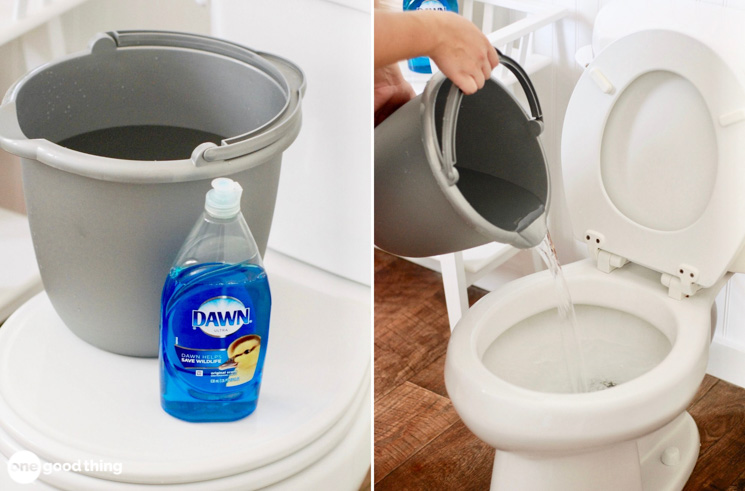
Attempt Ordinary Meal Soap and also Warm Water
Boil one gallon of hot water in your kettle. Next, put some nice-smelling liquid recipe soap onto your toilet. When the water boils, put it thoroughly into the bathroom. Wait on about 15 minutes for this concoction to function its magic. The hot water and soap are meant to soften the obstruction. Additionally, you can utilize your hair shampoo, also. Hereafter treatment, you must have the ability to flush the commode without fears.
Buy a Commode Serpent
A bathroom snake is a relatively affordable apparatus in your equipment shop. Most importantly, any person can utilize it, also someone who isn't a handyman. All you need to do is poke the gadget in the toilet to unblock it. Nevertheless, it can obtain really messy due to the fact that you have to utilize your hands and also bend down to get to the blockage.
Get a Plunger
The plunger is the top device for unclogging toilets. Actually, every home needs to have one because they work so efficiently. First, make certain you obtain a huge adequate size to cover the hole in your toilet. Then, put the plunger and also gently press it down first to get rid of air. This develops the suction you need to get rid of the clog. As soon as you've obtained an excellent seal, you can dive down vigorously. If you're handling unclean water, put on gloves, mask, goggles, as well as wear old garments in case you obtain splashed. You may require to pump the plunger a number of times till the blockage loosens and the flow is restored.
Put House Bleach and also Powdered Soap
Bleach like Clorox succeeds to break down waste. Just adhere to the recipe soap instructions. Replace the soap with 3 mugs of bleach. After a number of minutes, pour in powdered soap. Wait on 15 mins as well as flush the toilet. This combination will certainly assist break down any waste and also clear the clogged up toilet.
Include Warm Water
If meal soap alone doesn't do the trick, including water might move things along. Fill a bucket with hot bathroom water (boiling water can cause a porcelain toilet to fracture) as well as put the water right into the bathroom from waist level. The force of the water could remove the source of the clog.
Require Expert Assistance
While the solutions above are trustworthy as well as helpful, they may be rather unpleasant if you have actually obtained a stubborn clog that won't move. The very best point to do in this instance is to call a professional plumber. They can handle your blocked commode and review your drain system with a drain video camera evaluation to see if you have actually obtained any kind of larger concerns.
How to Fix a Blocked Toilet
It's rare that anybody makes it through life without encountering a blocked toilet at one time or another. Whether it's our own unfortunate doing, the aftermath of a party, a reminder of an inconsiderate guest or the result of a child deciding to use the toilet to store their toys, eventually a toilet will fail to empty when it's flushed. A blocked toilet is a major inconvenience, especially if it's the only toilet on your property, and needs rectifying before it becomes an unhygienic embarrassment. Fortunately, if you've been wondering how to fix a blocked toilet, it's a straightforward process that should only require a couple of tools and a few minutes of your time.
Don't Flush
The first and most important thing to remember when you're trying to unblock a toilet is to not flush it. It can be tempting to flush again in the hope that the added water pressure might dislodge the blockage, however you're more likely to end up flooding your bathroom, especially if the blockage is completely watertight. In these cases, there's only one way for water to escape the toilet pan and it isn't where you want it to go. Hopefully, any water from your initial flush will eventually drain past the blockage and you can begin trying to clear it.
Shut Off Water Supply
You might not need to shut off the water supply to the toilet but it's a worthwhile precaution, especially if water is running into an already full toilet pan. There should be a stop valve on the pipe that supplies water to your toilet, typically to the left as you face it. Older pipes might require a flathead screwdriver to shut, while many modern pipes have a built-in handle to make your task easier. In either case, you'll need to twist the valve 90 degrees in order to shut off the toilet's water supply, letting you complete the rest of your task with confidence.
Prepare the Area
While your bathroom floor is likely waterproof, whether it's tiled or covered in another watertight material, you probably don't want to spend any time cleaning up the contents of your toilet. With this in mind, it's worth taking a few minutes to prepare the area around your toilet to prevent a more extensive clean-up. This can be as simple as placing some old newspapers or unwanted towels around the base of your toilet to catch and absorb any water that might escape, especially if you have a total blockage and a pan full of water.
Wear Rubber Gloves
Ideally, you won't need to submerge your hands in anything too unpleasant but it's worth protecting them in any case. Any pair of long rubber gloves will do the job; just be sure that there aren't any holes, given the nasty germs you could be dealing with. If you take gloves from your kitchen, you'll want to keep them separate and use them exclusively for toilet cleaning, to avoid spreading germs.
Attempt Removal
Before heading to your nearest DIY shop, check whether or not you can see the blockage and, if so, attempt to dislodge or remove it. A toilet brush might be able to break up the blockage well enough that it can pass through the plumbing system. If you're reading this article, however, you've likely already used your brush to little effect. A stick can offer a stiffer solution but make sure you use something that won't damage the finish of your toilet, an old wooden broom handle is ideal, and be prepared to dispose of this item when you're done. If the forceful approach doesn't work, you'll need to use plumbing tools instead.
Plunger
One of the best ways to dislodge a toilet blockage is to use a plunger. For this task, you'll want to use a toilet plunger, as opposed to a traditional semicircular sink plunger (the familiar Dalek arm); toilet plungers feature an extension collar, a long piece that can be pushed further into the siphon to create much greater suction. Press your plunger on the siphon and begin gently plunging; don't use too much force initially as the vacuum effect might spray filthy water over the surrounding area (including you). Ideally, your plunger should be entirely underwater, as this will help create a seal around its edge and the water itself will create more pressure when pushed towards the blockage.
Plumbing Snake
If your trusty plunger fails to shift the blockage, the best alternative is to use a plumbing snake, also known as a drain snake or plumbing auger. This long tool features a coiled end that is designed to grab or pierce anything it encounters in your pipes and can be found at most DIY stores, as well as some larger supermarkets. A snake can help in situations where a blockage is further into your pipes, especially an incomplete blockage which might not be moved by plunging. Your first goal is to push the auger down the toilet and around the S-bend; hopefully, you won't have to push it too far before encountering the blockage. Try to push the end through the blockage to break it apart. If this doesn't work, pull it back and the coiled end might snag the blockage, bringing it back into the toilet pan where you can remove it.
https://www.heatandplumb.com/blog/how-to-fix-a-blocked-toilet
I'm just very excited about How to Unclog a Toilet and I am praying you appreciated the new blog post. Enjoyed our write-up? Please share it. Let other people find it. I praise you for your time. Kindly check our website back soon.
Call